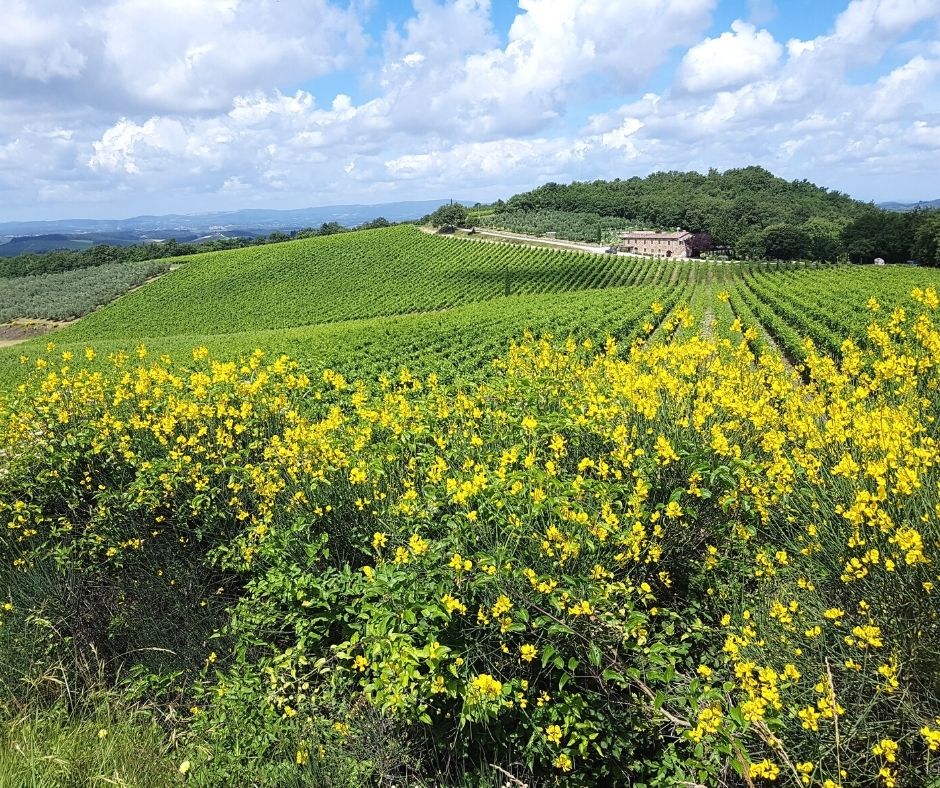
Spring has started for a couple of months now in Italy; the sun gives us long and warm days and nature has awakened! It is an explosion of colors and scents of blossoming flowers and sprouting plants, it is an explosion of noises with the animals that now have finished their winter rest and move, crawl, chirp …Something amazing is happening!
This season seems to knock on the window and asks us to go out into the fresh air to show us its colors and smells. Oh well, I know I am not telling you anything new! It is well known that spring is a time of rebirth both for nature and for people, who find renewed energy and a great desire to go out. But let me tell you about one of the principle plants of the Tuscan spring (and not only!): a plant that accompanies us on excursions from March (when it begins to sprout) until the end of summer (when the seeds ripen). I’m talking about broom!
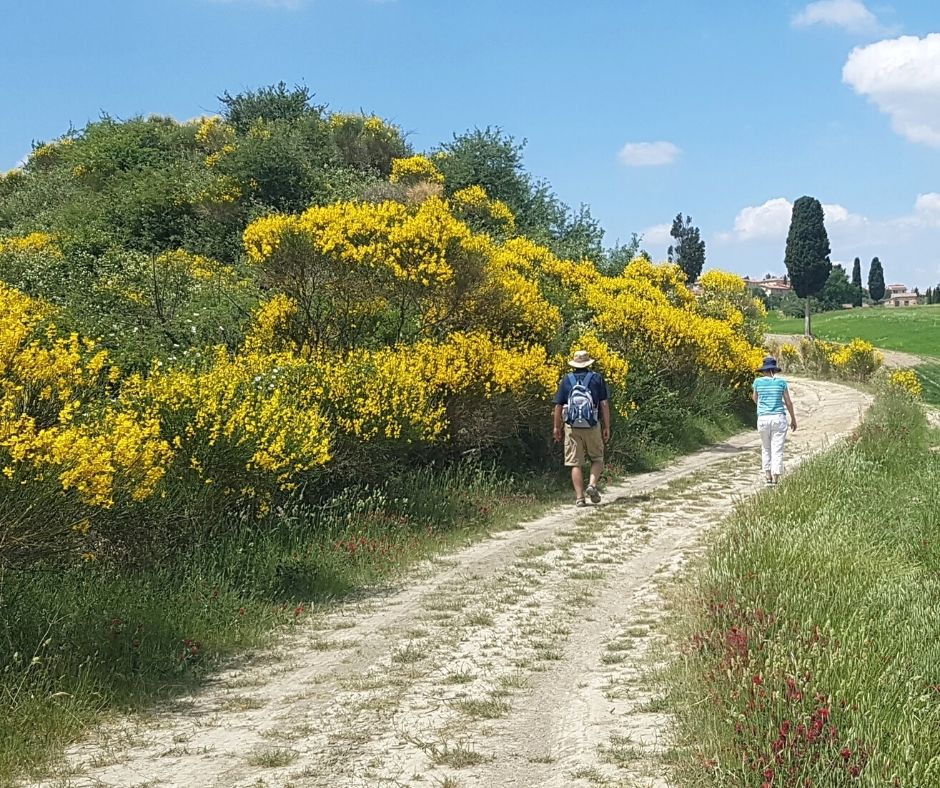
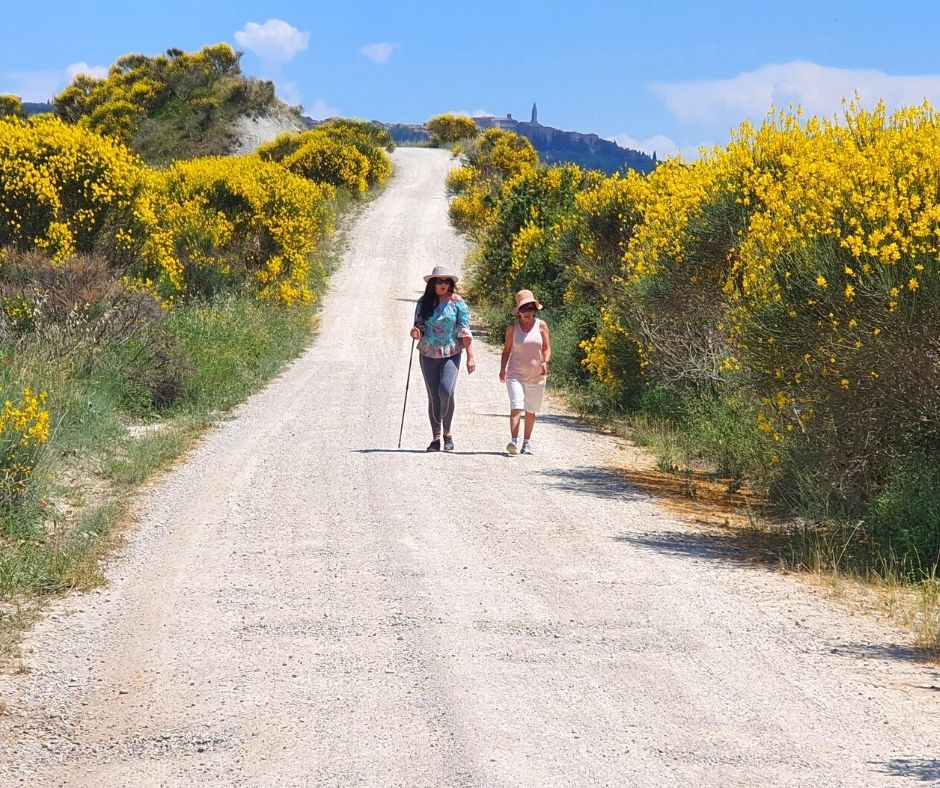
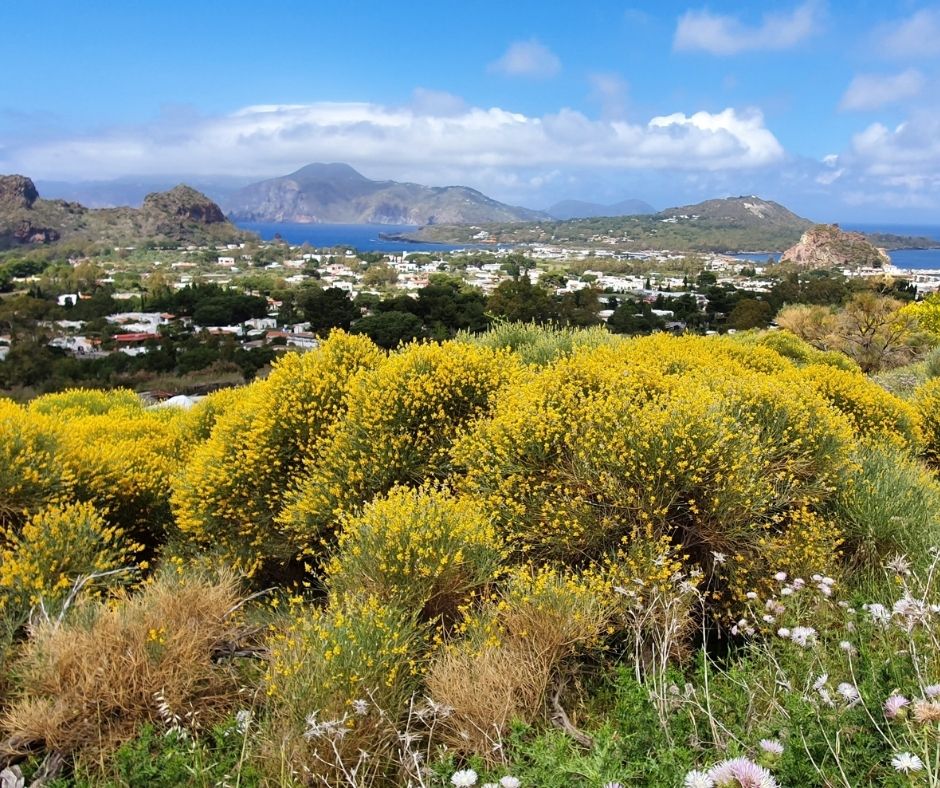
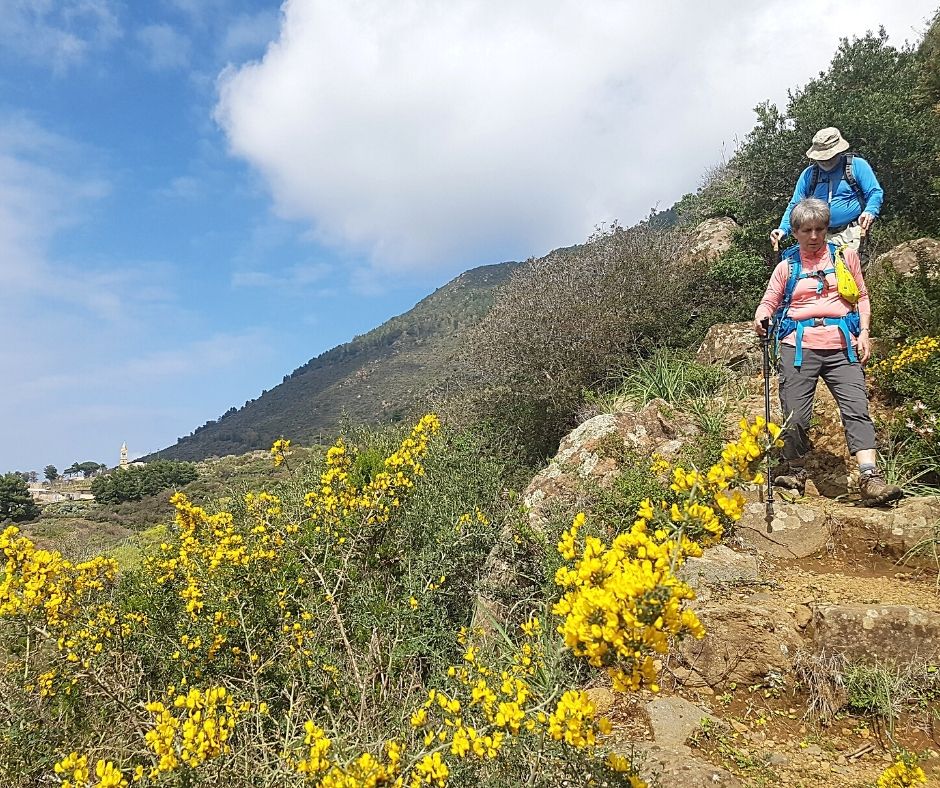
Broom is an evergreen shrub. It is typical of the warm-temperate areas of the Mediterranean shrub. In nature, it is very common in Italy and it is easy to find it beside roads, on the edge of the woods, on the sides of the valleys. It blooms in the period from May to July: beautiful intense yellow flowers born on its thin and woody branches. If the broom has bloomed it means that the warm sunny days have finally arrived. Its yellow flowers are immediately recognizable in the landscape: a sunny color that seems to me to emanate energy and brightness typical of spring and summer.
There are many species of broom (about 70!). Many are named after characteristics, such as the presence of thorns, the scent they have, or their use. In Sicily we can also find a broom that can be considered a real tree: it is typical of the Etna area and can reach a height between 5 and 8 meters.
The term “broom” derives from the Greek spartos = rope and is linked to its use as a fiber plant. Phoenicians, Carthaginians, Greeks, and Romans used it to produce mats, ropes, sacks, fabrics. Its fiber is very resilient, and its use was quite widespread until the middle of the last century. Its stem was used in the countryside to tie vines or tomato plants or to make baskets. The plants we can find in an area have always been part of the daily life of those who live there. As people discover their unique characteristics, they learn how to use them.
Did you know that broom belongs to the same botanical family as lentils and peas? They are legumes and even the fruit of the broom is a pod, with a flattened and elongated shape, but do not eat it! Unlike the others, it is toxic to humans. The pod does something surprising, by the way. The broom is one of those plants that does not use the help of the wind or animals to reproduce but uses the strategy of shooting its own seeds. When the sun beats on its now dry pods, a contraction occurs on the part hit by the rays: the shell suddenly opens, and the seeds are thrown at a considerable distance.
…I told you that nature is exploding in Italy! 😉