Dear Walk About Italy Explorers,
today we will guide you through the intricate paths of Italian coffee, a kind of mystical journey rich in symbolism and complications for those unfamiliar with the territory. Let’s also delve into the mystery of the absent kettle, a lack that, for some reason, seems to baffle foreign visitors.
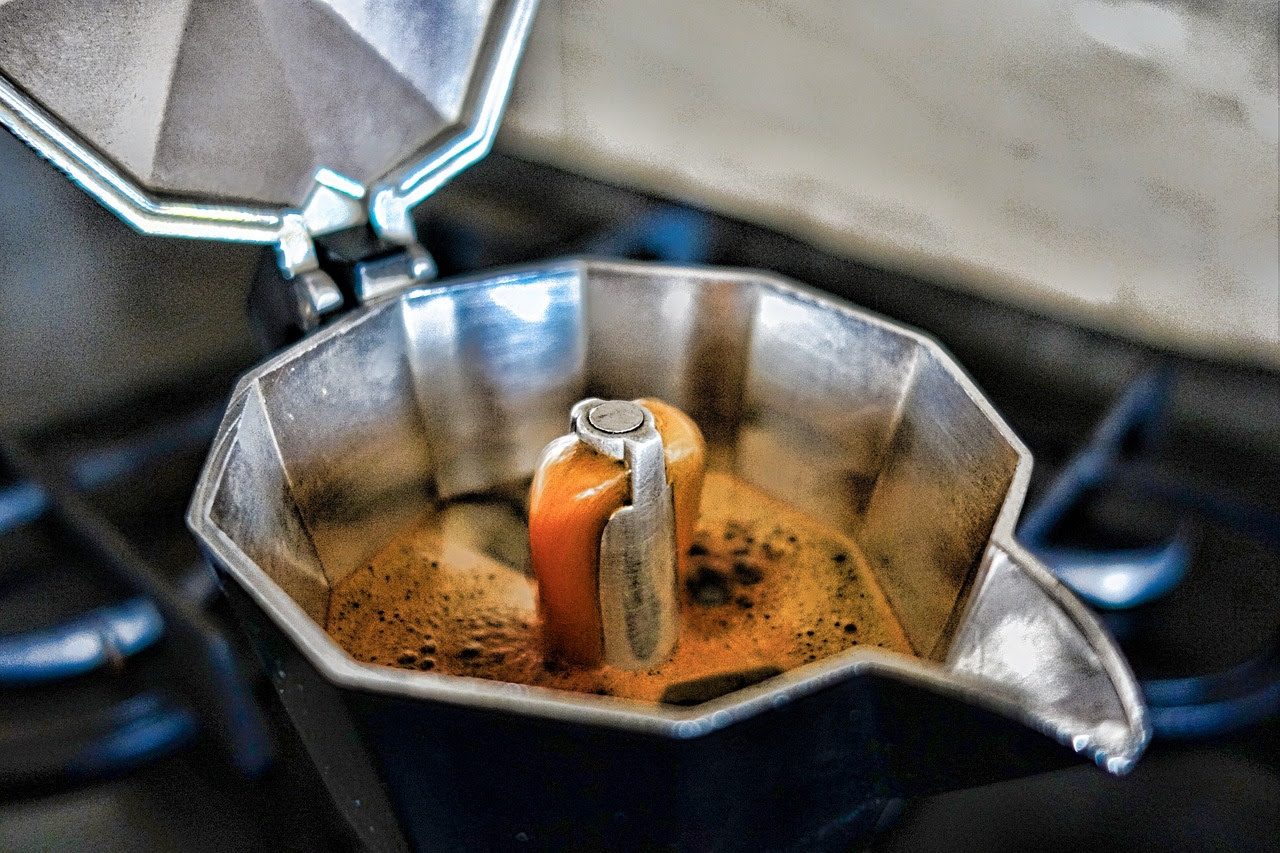
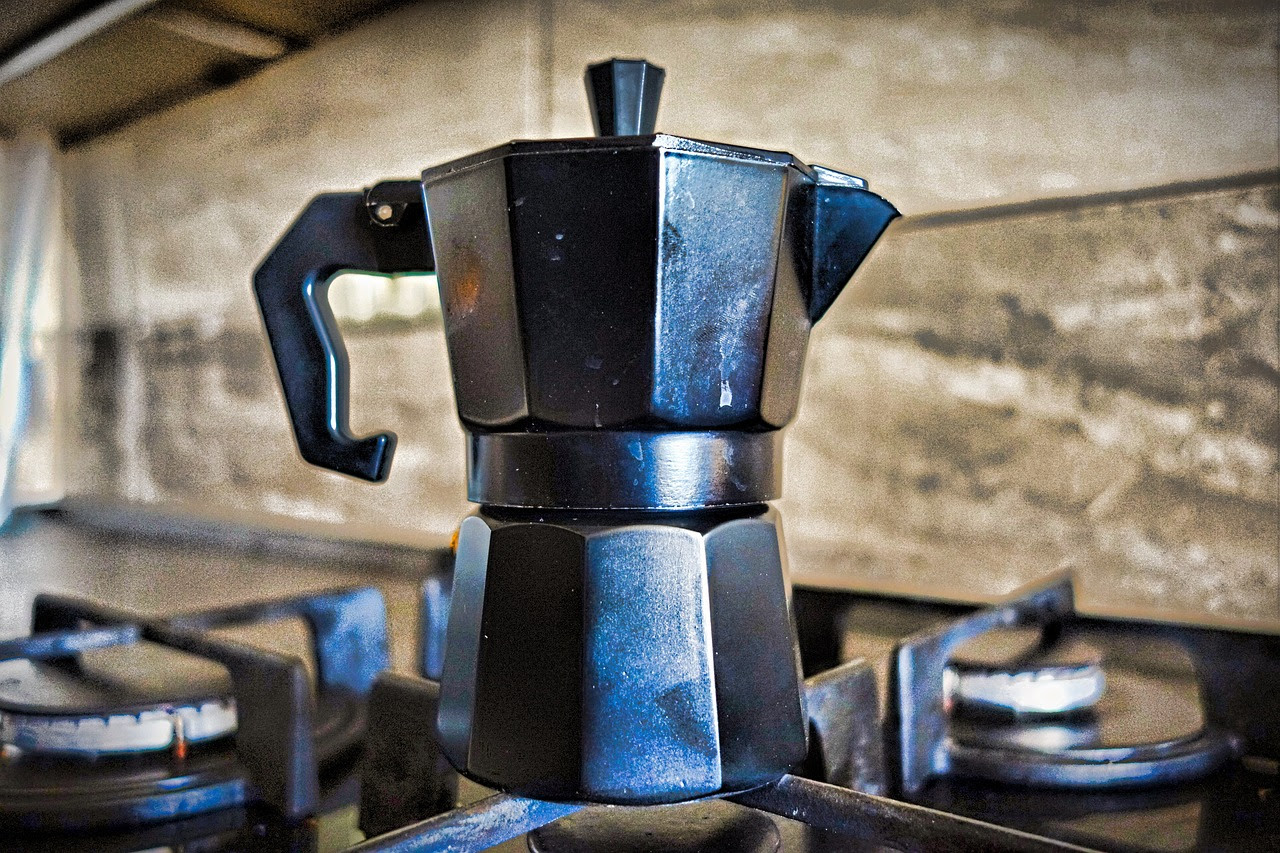
Coffee, for the average Italian, is more than just a beverage; it’s a ceremony. If one has coffee at home, the Italian insists on the moka (preferably Bialetti) on the gas stove. Yes, just like modern-day cowboys. Imagine having to choose between pressing a button on a pod machine and performing the ancient ritual of moka coffee—there’s no comparison.
Coffee represents a moment of pause, a temporal suspension. Its preparation takes time, extending the moment of relaxation. It’s not a drink to be sipped absentmindedly at the desk while working. It is fully consumed in a small espresso cup, perhaps shared around a table for a bit of conversation.
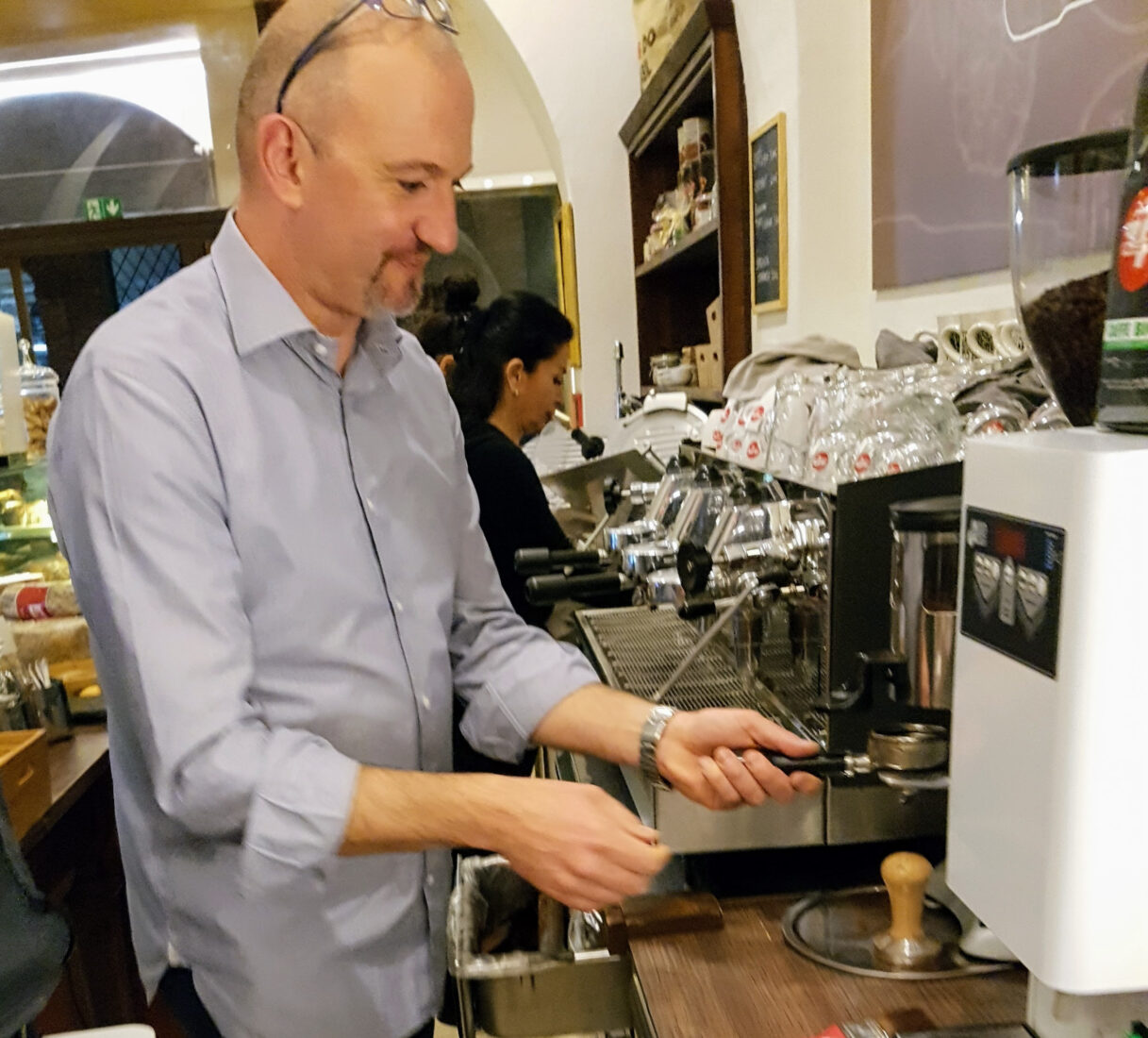
But coffee at the bar is a different story. Every Italian has their “coffee preferences,” and asking for a simple “coffee” is like opening a Pandora’s box of coffee makers. You’ll be served a classic espresso in a cup that seems to have just come out of the dishwasher, still warm. The coffee will be more concentrated than what the rest of the world calls an “espresso.” A true Italian coffee is like a magical potion that hits you with force.
If you want something different, be prepared to weave the tapestry of the right words:
– The “ristretto” is espresso but shorter. Perfect for those who want to take a dip without risking drowning in the coffee puddle.
– The “caffè lungo” is espresso that decided to go jogging. But don’t even think remotely of an Americano; it will be much more concentrated.
– The “caffè macchiato” is espresso that had a close encounter with a cloud of hot, frothy milk, similar to that of a cappuccino. And if you want cold milk, be ready to order a “caffè macchiato freddo.”
– The “caffè americano” is espresso that decided to take a vacation, highly diluted.
– Finally, the “caffè corretto” Because, naturally, what could improve an espresso if not a touch of grappa or sambuca? It’s the perfect way to make the coffee feel “adult” without having to teach it how to drive. Who would have thought that coffee would need alcohol to feel grown-up?
And if you’re a cappuccino enthusiast, remember: only at breakfast in Italy. After 11 in the morning is like trying to snowboard on the beach—technically possible but highly unusual.
Gianni, owner and guide at Walk About Italy